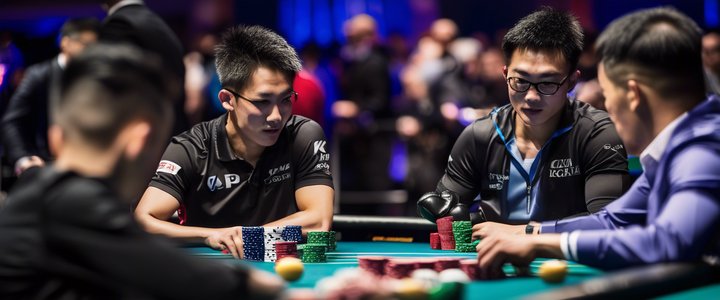
The UK Poker Championship (UKPC) Main Event has come to a close, with Jiawei Wan emerging as the winner after a six-way deal. This unexpected turn of events has left many in the poker community talking. But what led to this outcome, and how did Wan manage to outmaneuver their opponents to take the top spot?
For those who may not be familiar with the UKPC Main Event, it’s one of the most prestigious poker tournaments in the UK, attracting a significant number of participants each year. The event offers a substantial prize pool, making it a highly coveted title among professional poker players. So, let’s dive into the details of the tournament and explore Wan’s path to victory.
UKPC Main Event Recap
The UKPC Main Event was part of a larger poker series, featuring a variety of events and tournaments. The Main Event itself drew a large and competitive field, with many experienced players vying for the top prize. The tournament structure was designed to test players’ skills and endurance, with a mix of short-handed and full-ring play.
Notable participants in the event included a range of professional poker players, each with their own unique playing style and strategy. As the tournament progressed, the field narrowed, and the competition became increasingly fierce. But Wan remained focused, using their skills and experience to navigate the challenges of the tournament.
Tournament Structure and Notable Participants
The UKPC Main Event featured a standard tournament structure, with a series of rounds and eliminations leading up to the final table. The event was held at a prestigious venue, with a team of experienced dealers and staff ensuring a smooth and efficient tournament. The rules of the tournament were clearly outlined, with a focus on fair play and sportsmanship.
As the tournament progressed, several notable players emerged as contenders for the top prize. These players included a range of experienced professionals, each with their own strengths and weaknesses. But Wan stood out from the crowd, using their skills and strategy to outmaneuver their opponents and make it to the final table.
The Path to Victory
So, what was Wan’s path to victory? The journey was not an easy one, with many challenges and obstacles along the way. But Wan remained focused, using their skills and experience to navigate the tournament and make it to the final table.
One of the key factors in Wan’s success was their ability to adapt to different playing styles and situations. They were able to adjust their strategy to suit the table dynamics, making tough decisions and playing tight when necessary. This flexibility and ability to think on their feet were crucial in helping Wan to outmaneuver their opponents and make it to the final table.
Key Hands and Decisions
There were several key hands and decisions that contributed to Wan’s success in the tournament. One notable example was a hand in which Wan made a bold bluff, betting big on a weak hand and managing to convince their opponent to fold. This play not only won Wan a significant pot but also helped to establish their reputation as a formidable opponent at the table.
Another important factor in Wan’s success was their ability to manage their bankroll effectively. They were able to balance their risk-taking with a solid understanding of their own strengths and weaknesses, making smart decisions about when to push their luck and when to play it safe. This careful management of their bankroll helped Wan to stay in the tournament and make it to the final table.
Player Profiles and Strategies
So, who were the other players at the final table, and what were their strategies? The final six players included a range of experienced professionals, each with their own unique playing style and approach to the game.
One of the most notable players at the final table was a young and aggressive player who had been making waves in the poker community with their bold and fearless playing style. This player was known for their ability to take risks and push the limits, often making big bets and playing tight when necessary.
Strategies and Playing Styles
Each of the players at the final table had their own strengths and weaknesses, and their strategies reflected this. Some players were tight and conservative, waiting for strong hands and playing carefully. Others were more aggressive, taking risks and trying to intimidate their opponents.
Wan’s strategy was to play a balanced game, mixing up their plays and keeping their opponents guessing. They were able to adapt to the table dynamics, adjusting their strategy to suit the situation and making smart decisions about when to play tight and when to take risks.
The Six-Way Deal and Its Implications
So, what was the six-way deal, and how did it affect the players and the tournament? The deal was made among the final six players, with each player agreeing to take a share of the prize pool and ending the tournament prematurely.
The deal was significant, as it marked a turning point in the tournament and had a major impact on the players and their strategies. For Wan, the deal was a welcome relief, as it allowed them to secure a significant prize and avoid the risk of elimination.
Circumstances Leading to the Deal
The circumstances leading to the deal were complex, with a range of factors contributing to the players’ decision to negotiate a settlement. One of the key factors was the players’ desire to minimize their risk and secure a guaranteed prize, rather than continuing to play and risking elimination.
Another important factor was the players’ fatigue and emotional state, as the tournament had been ongoing for several days and the players were feeling tired and drained. The deal allowed the players to end the tournament on a positive note, avoiding the stress and pressure of continued competition.
Conclusion and Aftermath
So, what was the outcome of the UKPC Main Event, and how did Wan’s win affect their career? The outcome of the tournament was a significant one, with Wan emerging as the winner and taking home a substantial prize.
Wan’s win marked a major milestone in their career, as it was their first major tournament victory and a significant step forward in their development as a professional poker player. The win also had a major impact on Wan’s confidence and motivation, as it validated their skills and strategy and gave them the momentum they needed to continue competing at the highest level.